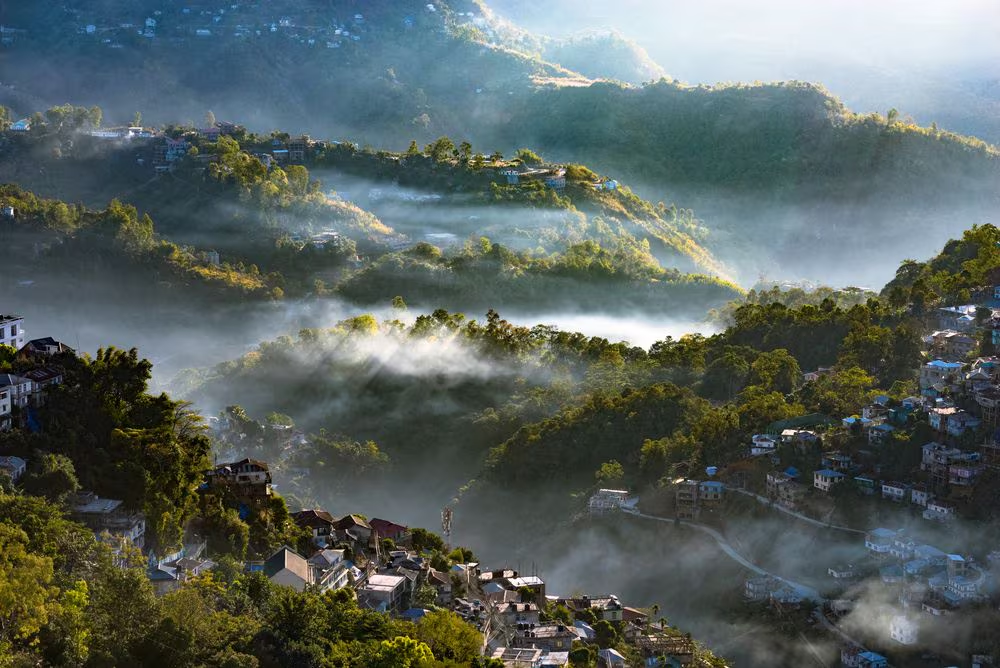
Mizoram has seen a sharp increase in tourism in recent years, making it one of the most exciting new vacation destinations in Northeast India. Travelers looking for genuine, less-commercialized experiences are drawn to the state because of its undulating hills, thick woods, and vibrant indigenous cultures. The region is now more accessible than ever thanks to improved connectivity brought about by wider road networks and easier air travel, which has lessened past accessibility issues and promoted both leisure and exploratory tourism. Mizoram is gradually becoming more well-known among domestic travelers who are looking beyond conventional hill stations as interest in unconventional and environmentally friendly travel increases throughout India.
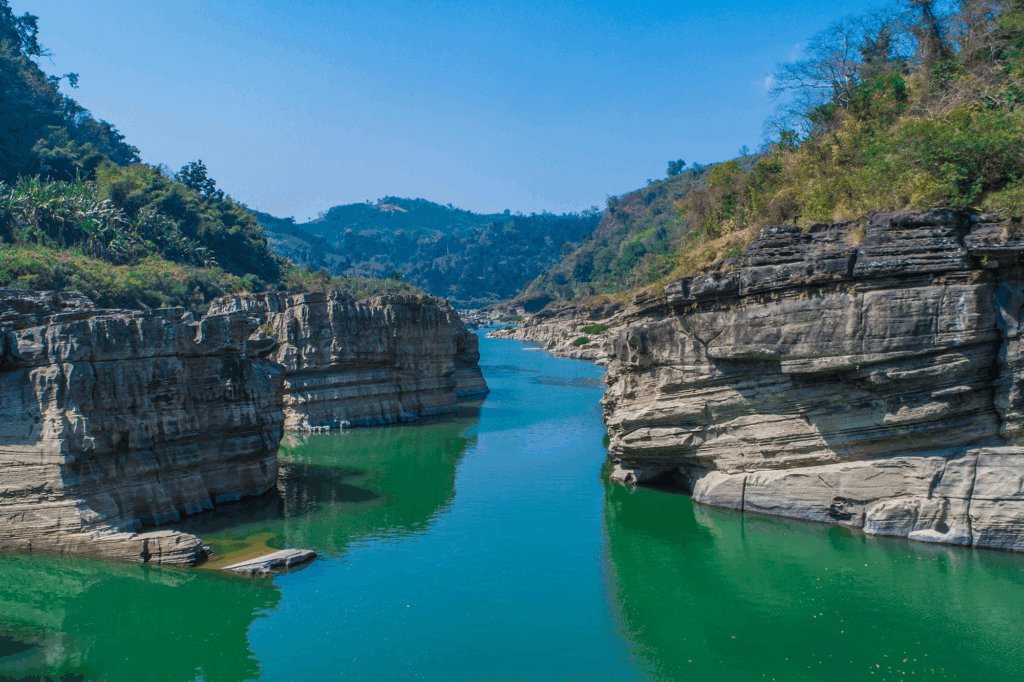
The main entry point for tourists is the capital city, Aizawl, which has developed into a commercial and cultural center for travel-related activities. The state’s vibrant local markets, picturesque skyline, and distinctive architectural environment all showcase its vibrant cultural identity. Well-known locations like Vantawng Falls, one of the tallest waterfalls in the area, and Reiek, which is well-known for its trekking paths and heritage village experiences, have emerged as major draws for tourists. Additionally, younger populations and nature lovers are becoming more interested in eco-tourism destinations, wildlife reserves, and adventure tourism pursuits like hiking, camping, and birdwatching.
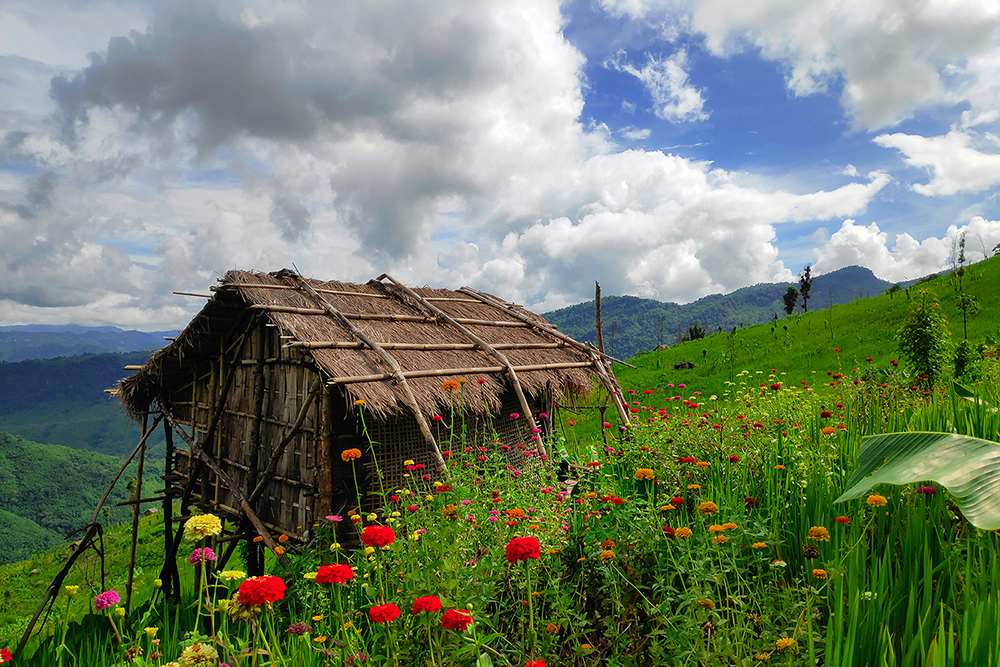
The expansion of tourism has been greatly aided by government programs and policy assistance. The state is now more visible and competitive because of targeted advertising initiatives, involvement in national travel expos, and improvements in tourism infrastructure. Supporting community-based tourism models guarantees that the money spent by tourists directly benefits the local economy, generating long-term job possibilities while maintaining cultural authenticity. Incorporating traditional festivals, local food, and handicrafts into tourism offerings is becoming more common, giving visitors immersive experiences that set Mizoram apart from other popular travel locations.
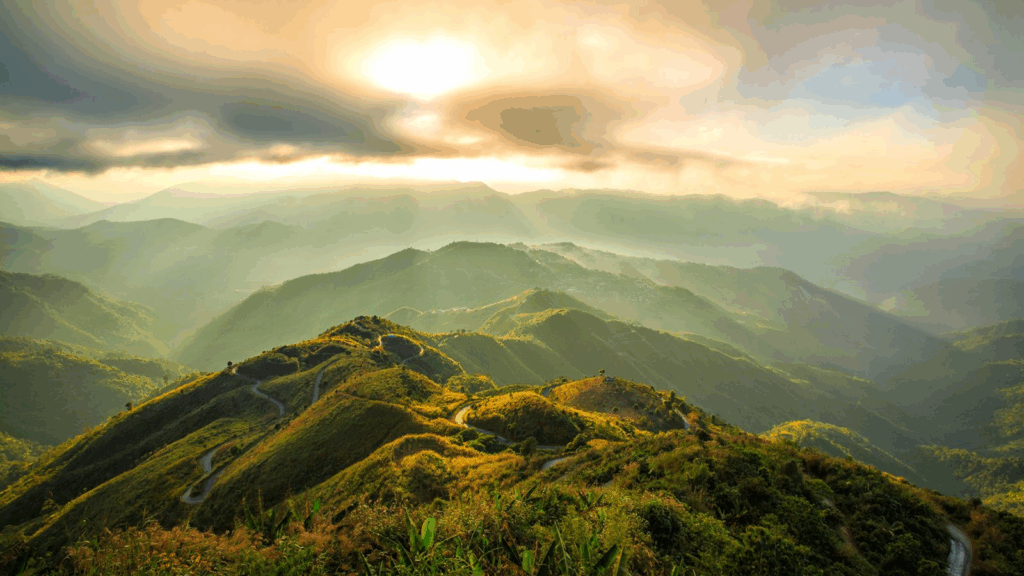
The state’s tourism industry has grown even more as a result of digital revolution. Influencer marketing, travel blogging, and increased social media visibility have all contributed to bringing Mizoram’s magnificent scenery and vibrant culture to a wider audience. Mizoram’s comparatively unspoiled landscape and orderly social structure place it firmly in the premium experiential travel market, where tourists value sustainability, tranquility, and meaningful interaction. Mizoram is well-positioned to enhance its standing as a high-potential tourism destination that makes a substantial contribution to the state’s long-term economic growth and diversification with sustained infrastructure development, effective branding, and sustainable planning.
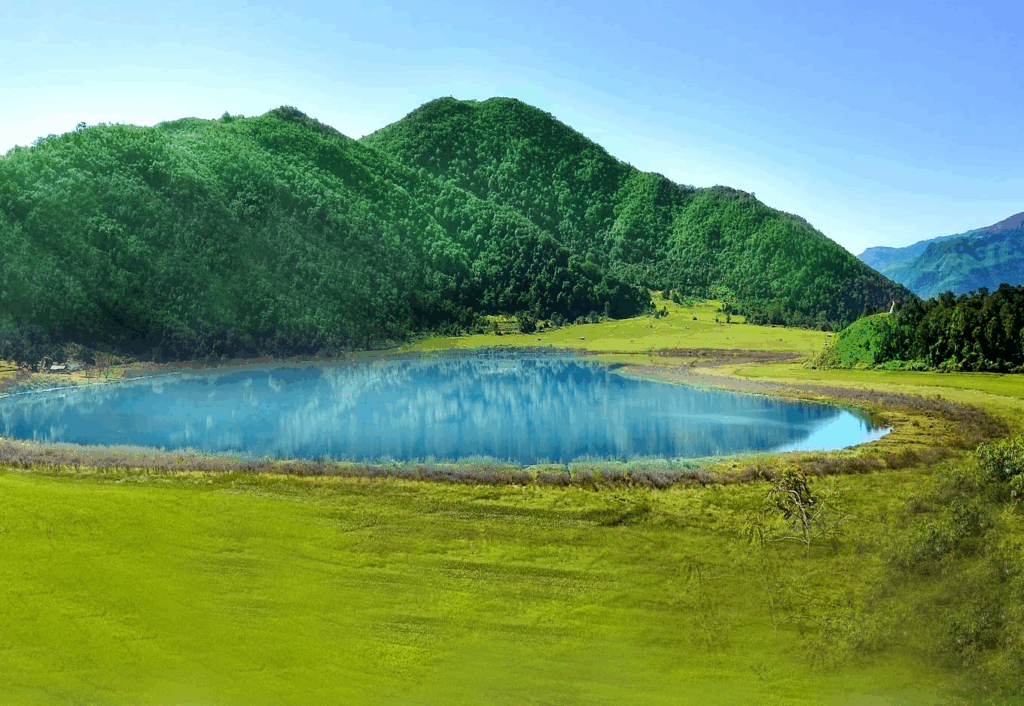
The steady increase in tourism in Mizoram is laying a solid basis for more business prospects in a variety of industries. The need for hospitality services, boutique hotels, homestays, restaurants, travel agencies, transportation providers, and carefully chosen local experiences naturally rises as the number of visitors rises. By creating high-quality infrastructure and service standards that meet the demands of contemporary tourists looking for comfort, authenticity, and sustainability, entrepreneurs and investors can profit from this growing trend.
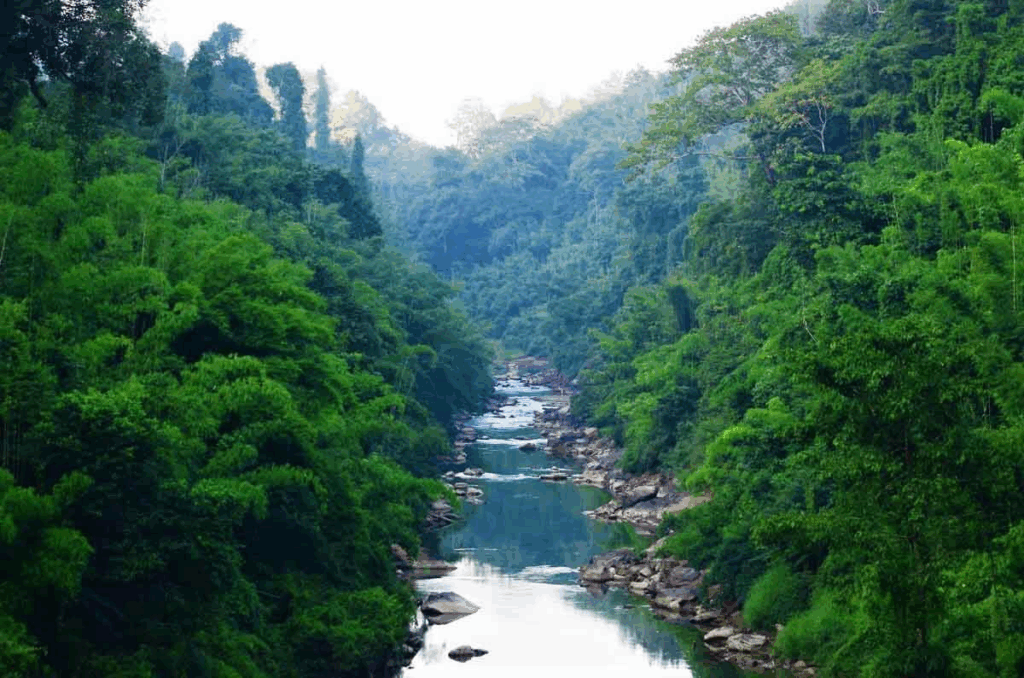
Beyond the hospitality sector, the surge in tourism promotes expansion in related fields like retail, internet marketing, event planning, food production, and handicrafts. Small-scale producers and local craftspeople have access to larger markets as a result of the economy’s circulation of visitor expenditure. Cafes, lifestyle brands, tour companies, and experience businesses that serve both local and foreign tourists are encouraged by the growing popularity of ecotourism hotspots like Reiek and locations like Aizawl.
Additionally, Mizoram is a good place for startups and service-oriented businesses because of its stable sociopolitical climate, high literacy rate, and expanding internet penetration. Businesses can use technology-driven solutions like online booking platforms, digital payment systems, and data-driven marketing tactics to scale effectively as internet usage and digital awareness rise. Entry barriers are further decreased by government incentives designed to encourage entrepreneurship, especially for young professionals and returning immigrants wishing to make local investments.
In contrast to metropolitan areas, Mizoram offers early-stage investors and businesses looking for unexplored markets with less competition a strategic opportunity as tourism continues to grow. The state is positioned not only as a tourism destination but also as a dynamic environment for long-term, sustainable company growth due to the combination of natural resources, cultural diversity, regulatory support, and changing consumer demand.