A Master Class in Public Relations and Marketing Strategy: Taylor Swift’s Eras Tour

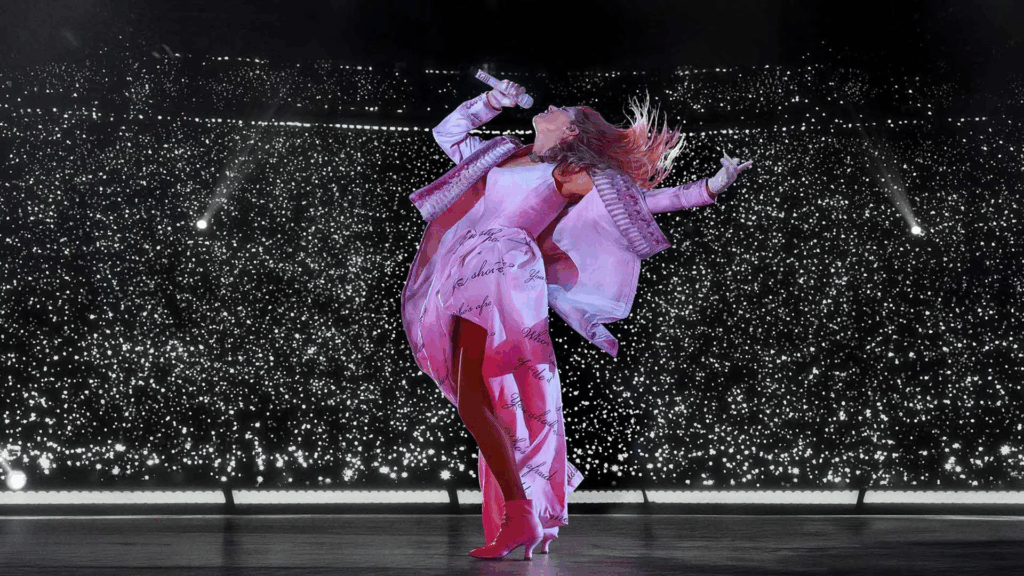
In addition to being a well-known musician throughout the world, Taylor Swift is also one of the most astute marketers of our day. The Eras Tour is a prime example of how great public relations, fan interaction, brand consistency, and storytelling can transform a concert tour into a global cultural phenomenon. The Eras Tour demonstrates how strategic marketing and PR, when done well, can elevate a brand beyond its core product, as evidenced by sold-out stadiums, record-breaking income, and overwhelmingly positive public attitude.

  1. The “Eras” Concept’s Power: Strategic Brand Narrative

The Eras Tour is based on the straightforward but impactful concept of honoring each stage of Taylor Swift’s career. A unique album, sound, aesthetic, and emotional chapter is represented by each “era.” This idea enabled Taylor to use nostalgia to re-engage devoted fans, introduce her entire musical legacy to new audiences,bolster her reputation as a becoming, self-aware artist.

This is classic brand storytelling from a marketing perspective. The tour presented Taylor Swift as a multi-era brand rather than a single album, making her whole oeuvre a cohesive whole.

  1. Cultural Hype, Demand, and Scarcity

The Eras Tour did a fantastic job of utilizing anticipation and scarcity. Massive demand was spurred by record-breaking pre-sales, staggered tour announcements, and limited ticket availability. Although ticketing issues initially caused criticism, Taylor’s prompt, open, and sympathetic response helped to transform a possible PR disaster into an example of responsibility and concern for supporters.

The outcome?

Across continents, sold-out shows

Constant media attention without compensation

A belief that the tour is a “once-in-a-lifetime” experience

Audiences were not alienated by scarcity; rather, it increased desire

3. Using Fan-Centric Marketing to Convert Viewers into Supporters

Fan psychology is a key component of Taylor Swift’s marketing approach. An unprecedented amount of user-generated content was promoted by the Eras Tour. On social media sites such as Instagram, TikTok, and X (Twitter), fans posted clothes, friendship bracelets, unexpected music, and emotional responses.

Fans became natural brand advocates as a result, producing billions of impressions without the need for conventional advertising.

  1. Outstanding PR: Authenticity, Control, and Consistency

Throughout the Eras Tour, Taylor Swift’s public relations approach was extremely regulated and constant. She kept the narrative upbeat by:

Remaining mostly uncontroversial throughout the tour

Selective and deliberate communication

Letting deeds speak louder than words

Throughout the tour, she maintained a professional, appreciative, and emotionally connected public persona. Her reputation as a successful artist and responsible leader was strengthened by actions like thanking crew members, awarding incentives to employees, and thanking fans.

In terms of public relations, this improved long-term reputation equity, likeability, and brand trust.
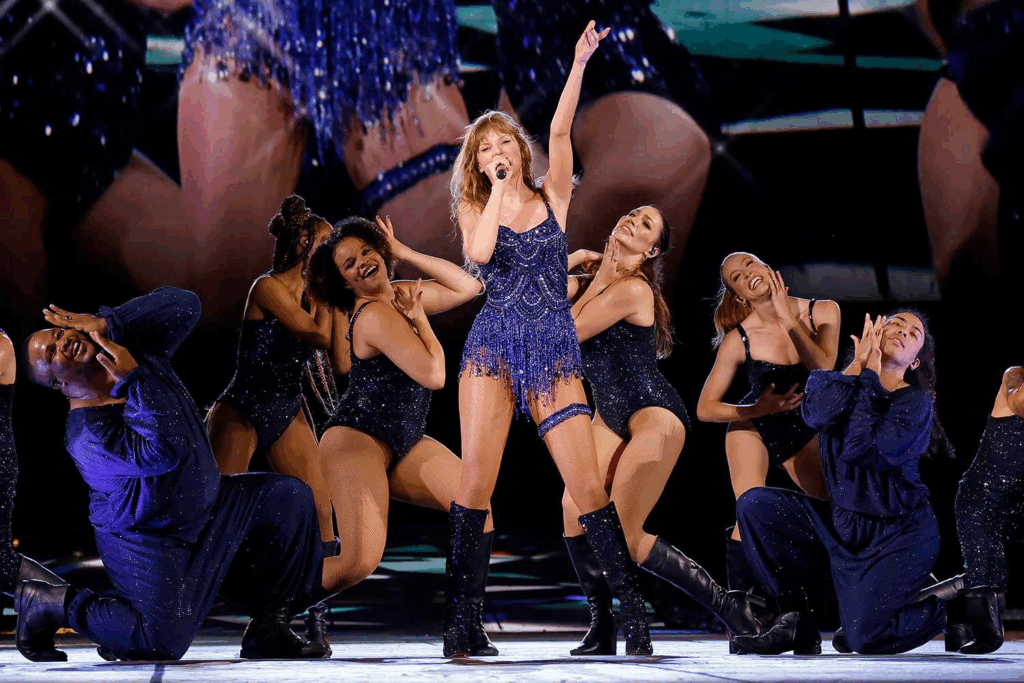
  1. Media Domination and Cross-Platform Marketing

The Eras Tour was much more than just live shows. Taylor deliberately extended the tour’s duration by:

A theatrical release of a concert film

Drops of exclusive merchandise

Moments of strategic social media silence and re-entry

Every action was timed to maintain conversation and interest. By mastering the art of controlled visibility, Taylor’s team avoided overcrowding audiences and made sure that every announcement or appearance seemed significant and purposeful.

Final Thoughts: A Guide to Contemporary Marketing

The Eras Tour is a master class in integrated marketing and public relations, not just a series of concerts. Strategic scarcity, disciplined brand storytelling, genuine public relations, and a thorough grasp of her audience are the keys to Taylor Swift’s success.

The lesson is obvious for creatives, marketers, and brands:

Create emotional bonds rather than merely goods

Honor your audience and give loyalty rewards.

Manage your story with purpose and sincerity.

Taylor Swift promoted her legacy in addition to touring her songs. By doing this, she established a new benchmark for how personal brands can grow with strategy, cultural relevance, and trust.


MOVIES TO WATCH FOR MARKETING ENTHUSIAST

Marketing isn’t learned only from textbooks, campaigns, or case studies—it’s everywhere. Some of the most powerful lessons on branding, persuasion, storytelling, and consumer behavior come from movies. Through characters, conflicts, and cultural moments, films reveal how ideas spread, how trust is built, and how influence really works.

For marketing enthusiasts, movies are more than entertainment. They are mirrors of real-world strategies, successes, and failures. From subtle persuasion to massive hype, these films offer insights that are timeless and surprisingly practical. Here are some must-watch movies that every marketer can learn from.

Thank You for Smoking (2005)

Marketing Theme: Persuasion, framing, PR, spin

What it’s about:
A tobacco lobbyist whose job is not to prove cigarettes are good—but to make everything else look worse.

Marketing Lessons:

  • Reframing beats arguing: He never says smoking is healthy; he reframes the conversation.
  • Perception > truth: Public opinion is shaped by confidence and narrative.
  • Media training matters: Watch how he handles interviews—calm, witty, controlled.

Why marketers love it:
This is a masterclass in PR crisis management and debate framing.

Watch for: Talk show scenes, dinner-table explanations, and debates.


The Social Network (2010)

Marketing Theme: Growth, virality, product-led marketing

What it’s about:
The creation of Facebook—not as a brand campaign, but as a product that spread itself.

Marketing Lessons:

  • Distribution beats promotion: Facebook didn’t “market”—it expanded access.
  • Exclusivity drives demand: Invite-only launches at Harvard.
  • Network effects: Each user makes the product more valuable.

Big takeaway:
The best marketing sometimes looks like no marketing at all.

Watch for: Launch decisions, campus expansion strategy.


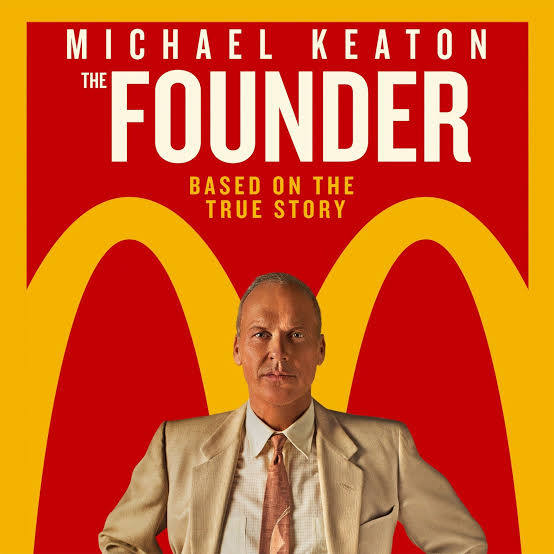
The Founder (2016)

Marketing Theme: Branding, scalability, consistency

What it’s about:
How McDonald’s went from a small restaurant to a global brand.

Marketing Lessons:

  • Systems scale, people don’t: Consistency builds trust.
  • Brand ≠ product: McDonald’s sold predictability.
  • Positioning: Family-friendly, fast, reliable.

Why it matters:
Shows how operational discipline becomes marketing.

Watch for: Speed system scenes, franchising decisions.


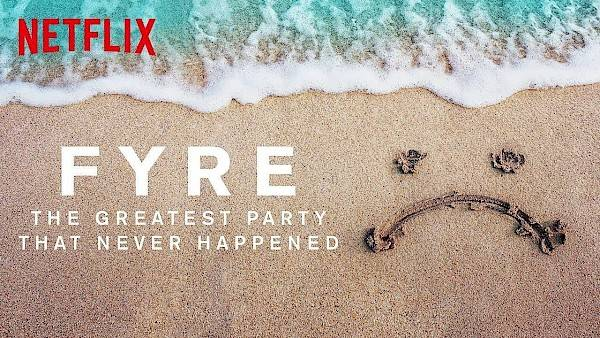
Fyre: The Greatest Party That Never Happened (2019)

Marketing Theme: Influencer marketing, hype, FOMO

What it’s about:
A luxury festival sold entirely through Instagram—without infrastructure.

Marketing Lessons:

  • Influencers can sell anything (once)
  • Hype has an expiration date
  • Marketing without delivery destroys brands

Critical takeaway:
Marketing can create demand—but cannot replace reality.

Watch for: Influencer rollout, orange tile campaign.


Chef (2014)

Marketing Theme: Authenticity, personal branding, community

What it’s about:
A chef loses his restaurant job, starts a food truck, and builds a following via Twitter.

Marketing Lessons:

  • Authenticity converts better than polish
  • Direct audience connection beats middlemen
  • Consistency builds loyalty

Why marketers adore it:
It shows how being real is a powerful marketing strategy.

Watch for: Twitter montage scenes.


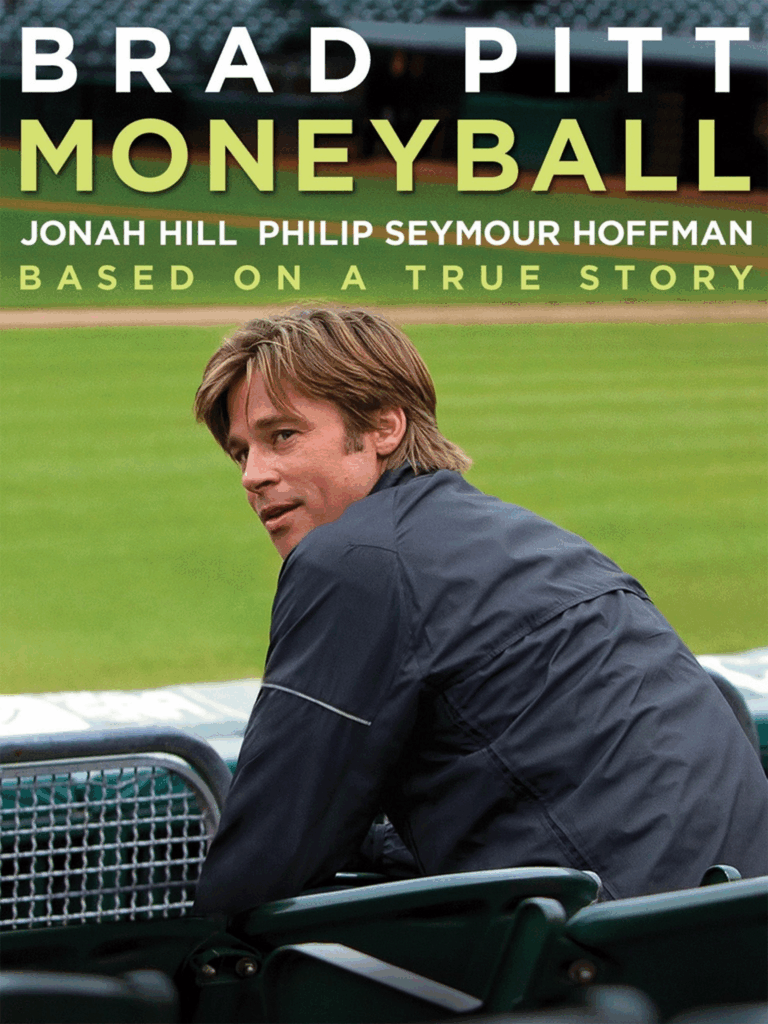
Moneyball (2011)

Marketing Theme: Data-driven decision making

What it’s about:
Using analytics to compete with bigger-budget teams.

Marketing Lessons:

  • Data > intuition
  • Focus on what actually moves results
  • Ignore vanity metrics

Marketing parallel:
Performance marketing, A/B testing, ROI thinking.

👉 Watch for: Recruitment logic scenes.


The Devil Wears Prada (2006)

Marketing Theme: Brand authority, aspiration

What it’s about:
The fashion industry and how brands create desire.

Marketing Lessons:

  • Authority shapes taste
  • Brands sell identity, not products
  • Positioning decides perception

Iconic lesson:
People don’t choose brands—they choose who they want to be.

Watch for: “Cerulean blue” monologue.


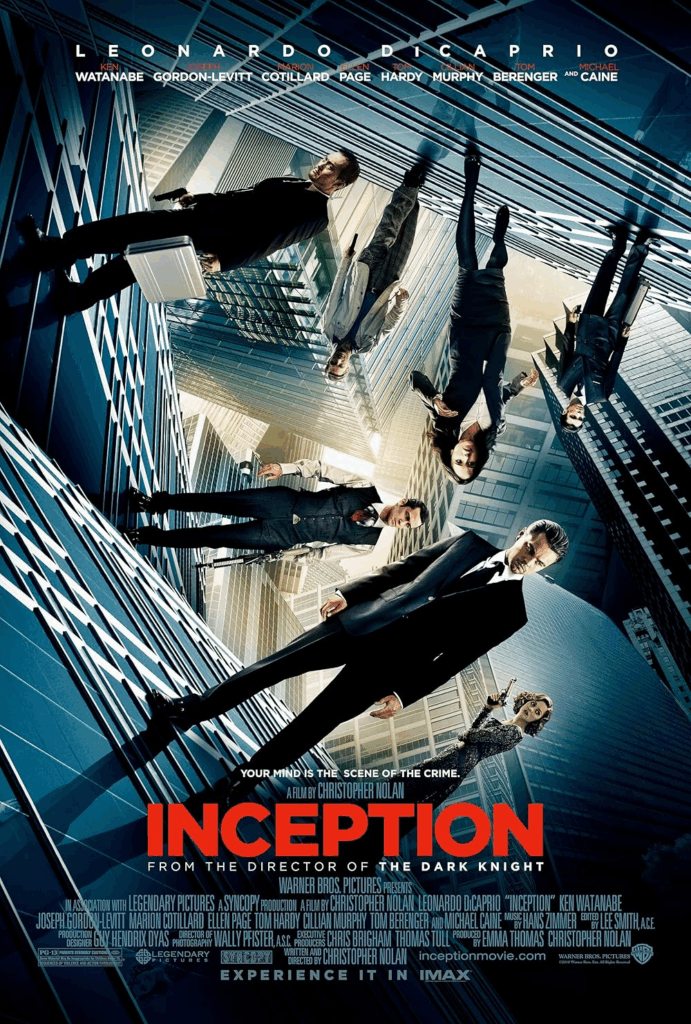
Inception (2010)

Marketing Theme: Idea planting, subconscious influence

Why marketers love it:
Marketing isn’t about forcing ideas—it’s about making people think they chose it themselves.

Key Lesson:
The best campaigns don’t scream—they suggest.

Watch for: Dream-layer metaphors.


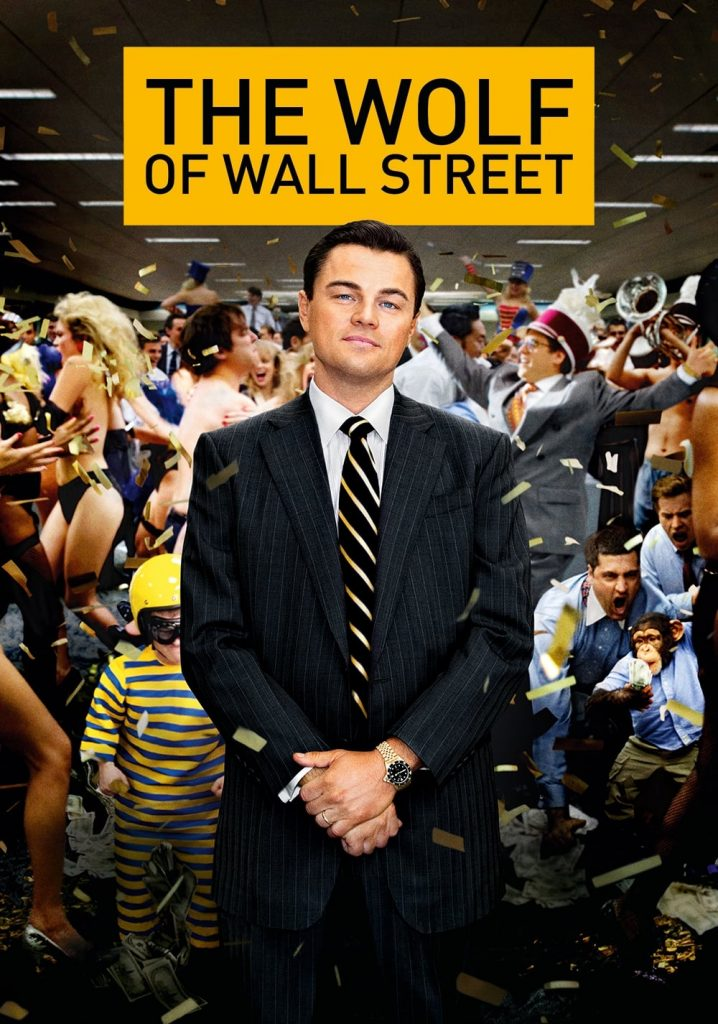
The Wolf of Wall Street (2013)

Marketing Theme: Sales psychology, urgency, charisma

Marketing Lessons:

  • Urgency closes deals
  • Energy sells
  • Scripts matter

Watch critically—this teaches techniques, not ethics.

Watch for: “Sell me this pen” scene.

Why Marketing Guys & IT Guys Will Never Choose the Same Woman

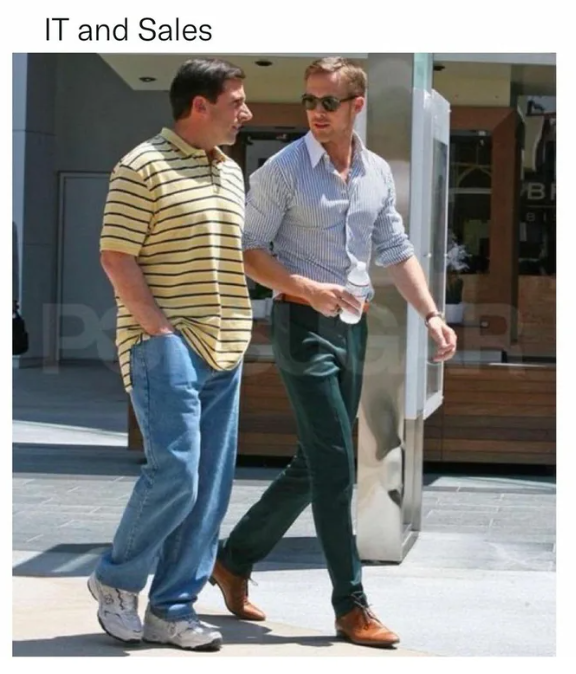
You know that famous meme from Crazy, Stupid, Love — Ryan Gosling (the “Marketing Guy”) standing sharp in a perfectly tailored suit beside Steve Carell (the “IT Guy”) in his oversized yellow polo, dad jeans, and well-worn New Balance sneakers that shout comfort over style.
Every time it pops up, I laugh — not just because it’s funny, but because there’s some truth buried in it. Having worked in an IT company as a marketing guy myself, I’ve seen the contrast up close. And honestly, the relationship between marketing folks and IT folks might be one of the most fascinating workplace dynamics ever.

The Corporate Odd Couple
In the corporate world, you’re surrounded by people you’d probably never meet otherwise — people with completely different qualifications, hobbies, and even dreams. Yet somehow, we make it work. We collaborate, we argue, we learn to understand one another.
And at the opposite ends of this corporate ecosystem are the Marketing Guys and the IT Guys.

The Look: Pinterest vs. Stack Overflow
The meme works because it’s visually accurate.
Marketing people live and breathe presentation. We represent the company — pitching to clients, closing deals, creating first impressions that last. Our wardrobe isn’t just clothing; it’s strategy. The shirts fit right, the shoes could sell themselves, and even the perfume is part of the branding.
We scroll through Pinterest, not Stack Overflow, for inspiration. We carry iPhones not because we’re Apple fanboys or fangirls, but because that polished logo communicates premium. A marketing guy can walk into a wedding uninvited and blend right in — effortlessly.
Then you have the IT team. Their style philosophy is simple: Comfort is king. When you sit in front of a screen for ten hours straight, no one’s judging your hoodie. So it’s graphic tees, joggers, worn-in sneakers, and a hoodie for when the office AC gets aggressive.
That doesn’t mean they lack style — it’s just street style. And when it comes to gadgets, they want control, not polish. They prefer Android — not because it’s cheaper, but because it lets them tweak every pixel to their will. Forget weddings — they’d blend in perfectly at a college fest or gaming convention.

How We Buy Things (and Why It Says Everything)
Take something as simple as buying earphones.
The marketing guy walks into a store and goes straight for what’s trending — Apple, Sony, Beats, Marshall — whatever looks premium and fits the budget.
The IT guy? He’s deep in audiophile forums reading about IEMs (In-Ear Monitors) most people have never heard of. He doesn’t care about brand names or influencer reviews. He wants specs — impedance, frequency response, driver configuration, and decibel output at 1kHz.
It’s the perfect metaphor: marketing buys emotion; IT buys performance.

The Way We Think

Our professions shape our minds.
In the IT world, everything is binary — true or false, one or zero. Code either runs or it crashes. So their thinking becomes structured and precise. There’s no “maybe” or “sort of.” Try persuading an IT guy with emotion and he’ll smile politely while mentally filing you under non-logical human.
Marketing, on the other hand, thrives in the gray areas. We deal in perception, persuasion, and possibility. We live in “it depends.” We see nuance where IT sees syntax errors.

And Then Comes the Woman Question
Now, back to the headline.
When it comes to relationships, marketers and IT guys approach love exactly how they approach work.
Marketers love to test before they buy. We run free trials, explore options, and make sure we’ve experienced every feature before committing. It’s how we’re wired — test, analyze, decide.
IT guys, however, don’t run beta versions of relationships. They take their time, think deeply, and once they commit, that’s it. Most developer friends I know don’t have multiple exes. They don’t compare, they don’t chase trends, and they certainly don’t scroll for “upgrades.” Once they choose, they’re in it for life.
Maybe that’s why their relationships last longer — they don’t even notice if the grass is greener on the other side. In fact, they barely acknowledge there is another side.

Two Worlds, One Mission
Marketers chase trends; IT folks chase logic. Marketers dream in color; IT works in code. One polishes the story, the other builds the system behind it.
And yet, when these two worlds collide under one roof, magic happens. The storyteller meets the problem-solver. The vision meets the execution.
It’s proof that in the end, it doesn’t matter how differently we think, dress, or choose our women — because together, we make things work that neither side could build alone.