Marketing isn’t learned only from textbooks, campaigns, or case studies—it’s everywhere. Some of the most powerful lessons on branding, persuasion, storytelling, and consumer behavior come from movies. Through characters, conflicts, and cultural moments, films reveal how ideas spread, how trust is built, and how influence really works.
For marketing enthusiasts, movies are more than entertainment. They are mirrors of real-world strategies, successes, and failures. From subtle persuasion to massive hype, these films offer insights that are timeless and surprisingly practical. Here are some must-watch movies that every marketer can learn from.
Thank You for Smoking (2005)
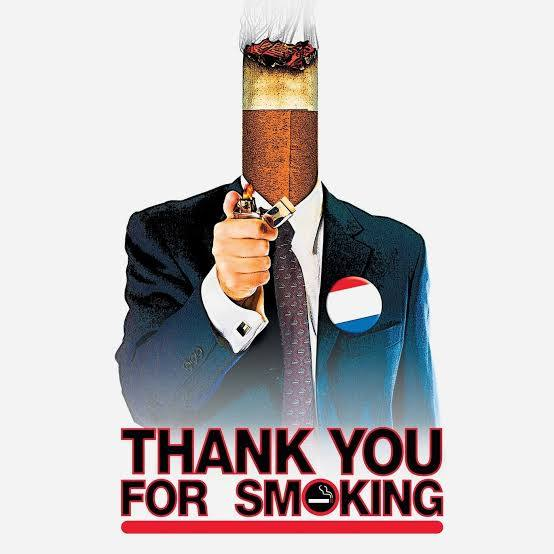
Marketing Theme: Persuasion, framing, PR, spin
What it’s about:
A tobacco lobbyist whose job is not to prove cigarettes are good—but to make everything else look worse.
Marketing Lessons:
- Reframing beats arguing: He never says smoking is healthy; he reframes the conversation.
- Perception > truth: Public opinion is shaped by confidence and narrative.
- Media training matters: Watch how he handles interviews—calm, witty, controlled.
Why marketers love it:
This is a masterclass in PR crisis management and debate framing.
Watch for: Talk show scenes, dinner-table explanations, and debates.
The Social Network (2010)

Marketing Theme: Growth, virality, product-led marketing
What it’s about:
The creation of Facebook—not as a brand campaign, but as a product that spread itself.
Marketing Lessons:
- Distribution beats promotion: Facebook didn’t “market”—it expanded access.
- Exclusivity drives demand: Invite-only launches at Harvard.
- Network effects: Each user makes the product more valuable.
Big takeaway:
The best marketing sometimes looks like no marketing at all.
Watch for: Launch decisions, campus expansion strategy.
The Founder (2016)
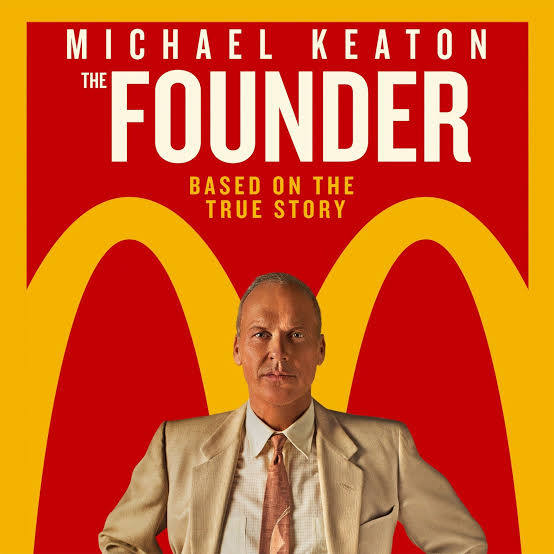
Marketing Theme: Branding, scalability, consistency
What it’s about:
How McDonald’s went from a small restaurant to a global brand.
Marketing Lessons:
- Systems scale, people don’t: Consistency builds trust.
- Brand ≠ product: McDonald’s sold predictability.
- Positioning: Family-friendly, fast, reliable.
Why it matters:
Shows how operational discipline becomes marketing.
Watch for: Speed system scenes, franchising decisions.
Fyre: The Greatest Party That Never Happened (2019)
Marketing Theme: Influencer marketing, hype, FOMO
What it’s about:
A luxury festival sold entirely through Instagram—without infrastructure.
Marketing Lessons:
- Influencers can sell anything (once)
- Hype has an expiration date
- Marketing without delivery destroys brands
Critical takeaway:
Marketing can create demand—but cannot replace reality.
Watch for: Influencer rollout, orange tile campaign.
Chef (2014)
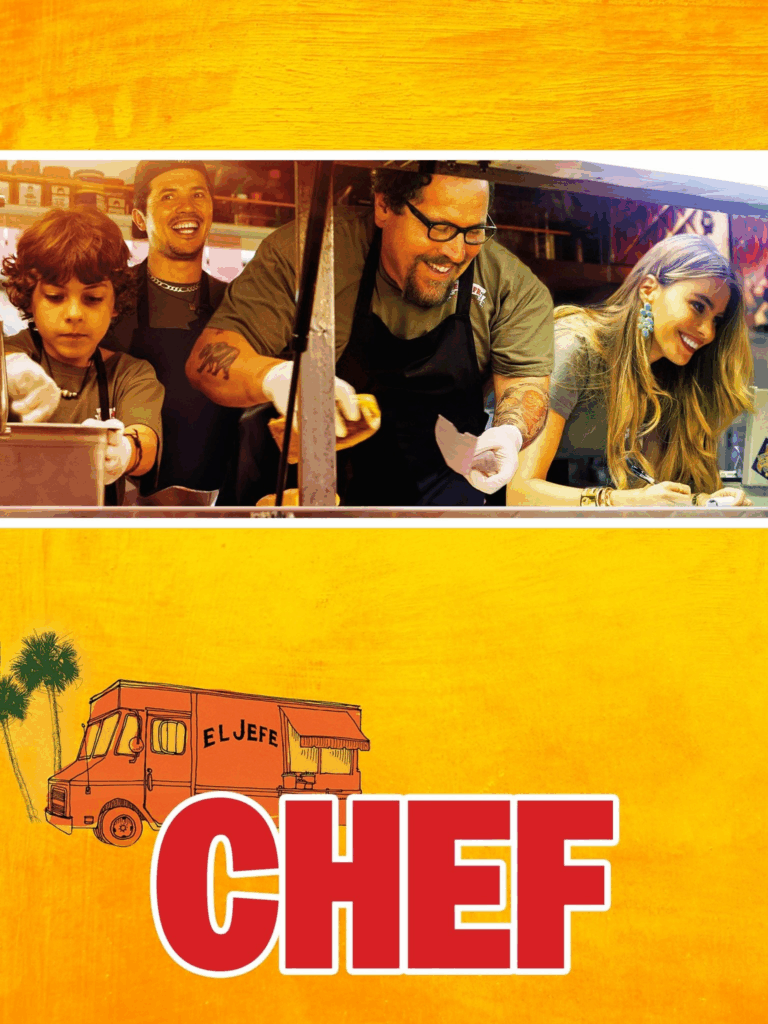
Marketing Theme: Authenticity, personal branding, community
What it’s about:
A chef loses his restaurant job, starts a food truck, and builds a following via Twitter.
Marketing Lessons:
- Authenticity converts better than polish
- Direct audience connection beats middlemen
- Consistency builds loyalty
Why marketers adore it:
It shows how being real is a powerful marketing strategy.
Watch for: Twitter montage scenes.
Moneyball (2011)
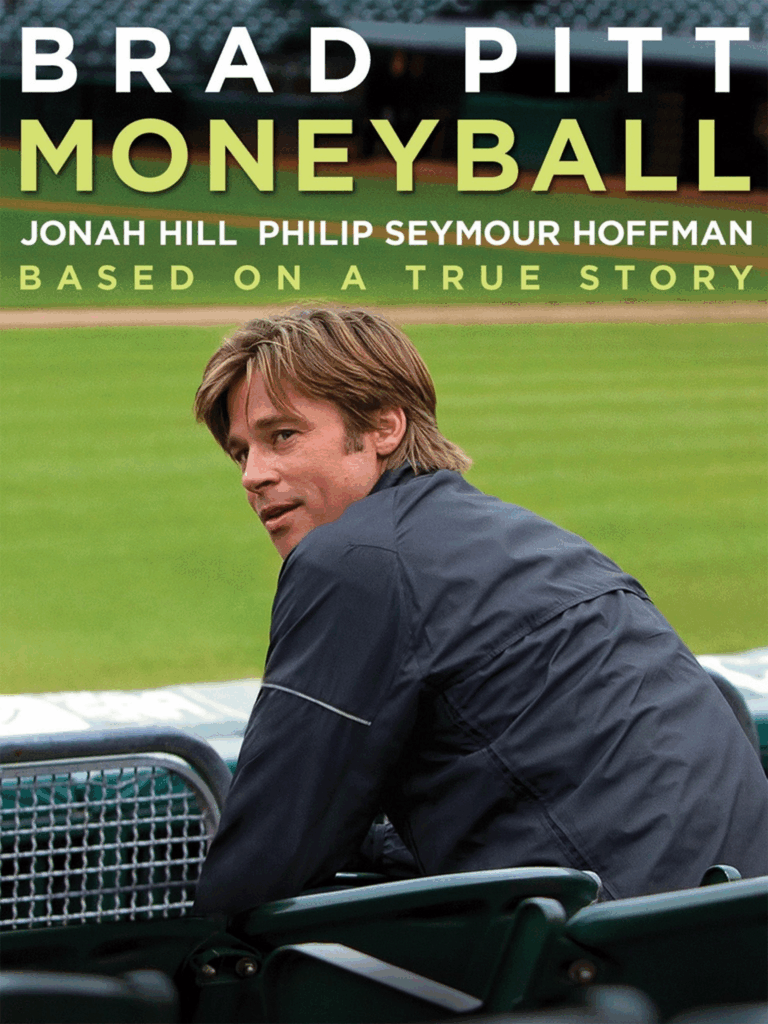
Marketing Theme: Data-driven decision making
What it’s about:
Using analytics to compete with bigger-budget teams.
Marketing Lessons:
- Data > intuition
- Focus on what actually moves results
- Ignore vanity metrics
Marketing parallel:
Performance marketing, A/B testing, ROI thinking.
👉 Watch for: Recruitment logic scenes.
The Devil Wears Prada (2006)
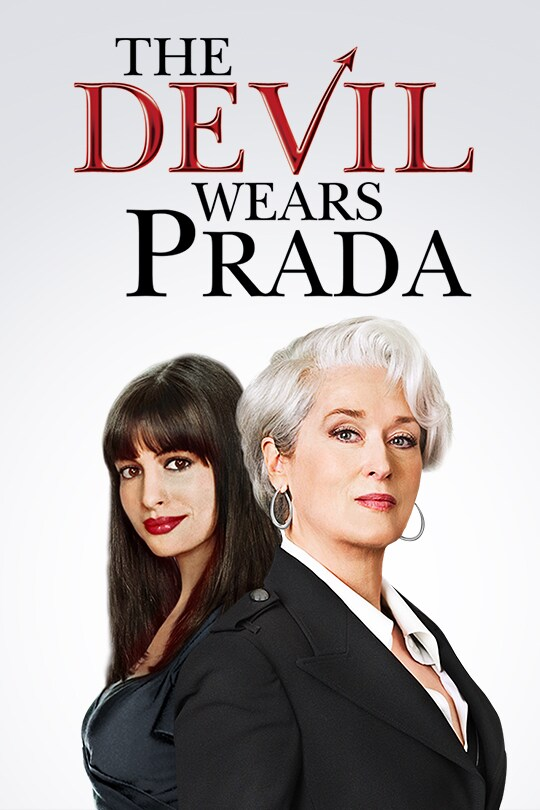
Marketing Theme: Brand authority, aspiration
What it’s about:
The fashion industry and how brands create desire.
Marketing Lessons:
- Authority shapes taste
- Brands sell identity, not products
- Positioning decides perception
Iconic lesson:
People don’t choose brands—they choose who they want to be.
Watch for: “Cerulean blue” monologue.
Inception (2010)
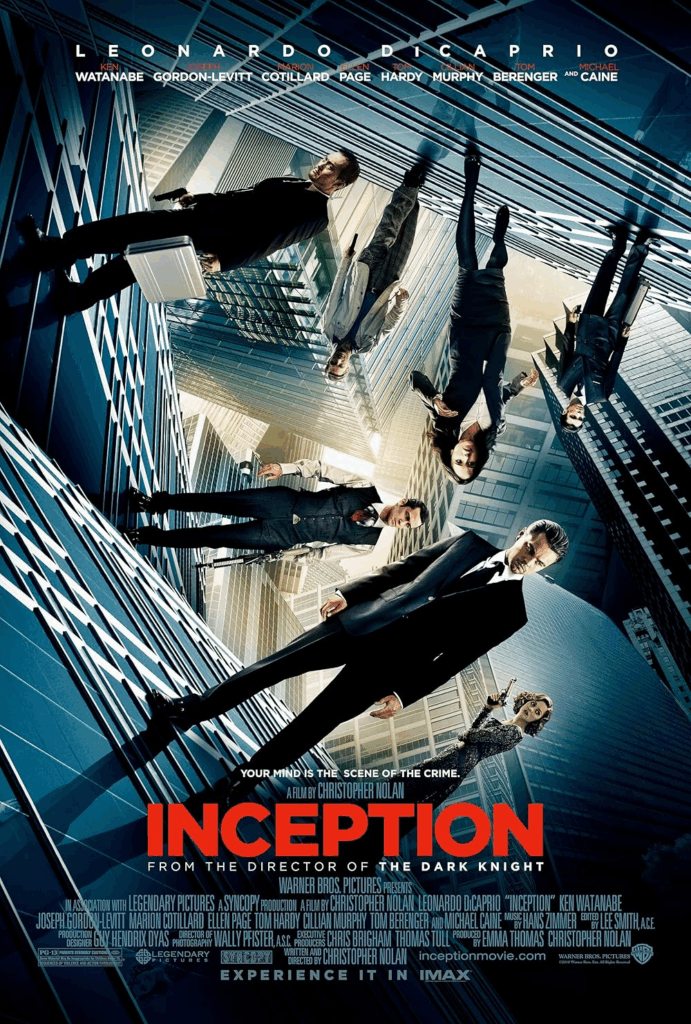
Marketing Theme: Idea planting, subconscious influence
Why marketers love it:
Marketing isn’t about forcing ideas—it’s about making people think they chose it themselves.
Key Lesson:
The best campaigns don’t scream—they suggest.
Watch for: Dream-layer metaphors.
The Wolf of Wall Street (2013)
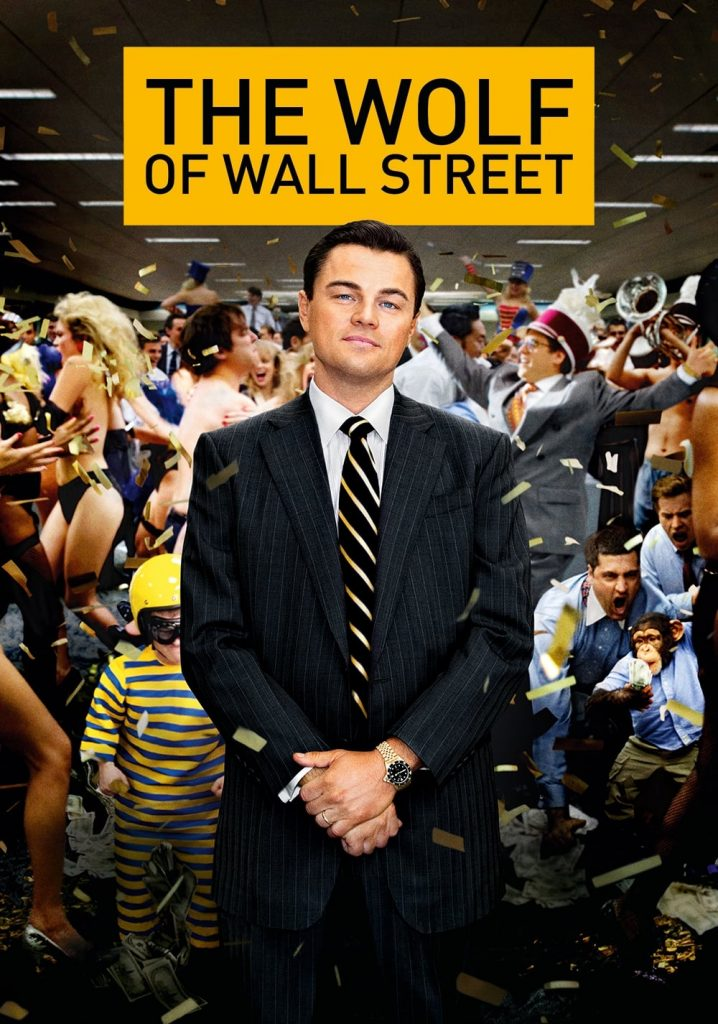
Marketing Theme: Sales psychology, urgency, charisma
Marketing Lessons:
- Urgency closes deals
- Energy sells
- Scripts matter
Watch critically—this teaches techniques, not ethics.
Watch for: “Sell me this pen” scene.